Creator Marketplace Fees & Take Rates (2026)
Cabana Studio Team · Creator-economy research at Cabana Studio
· July 15, 2026 · 7 min read
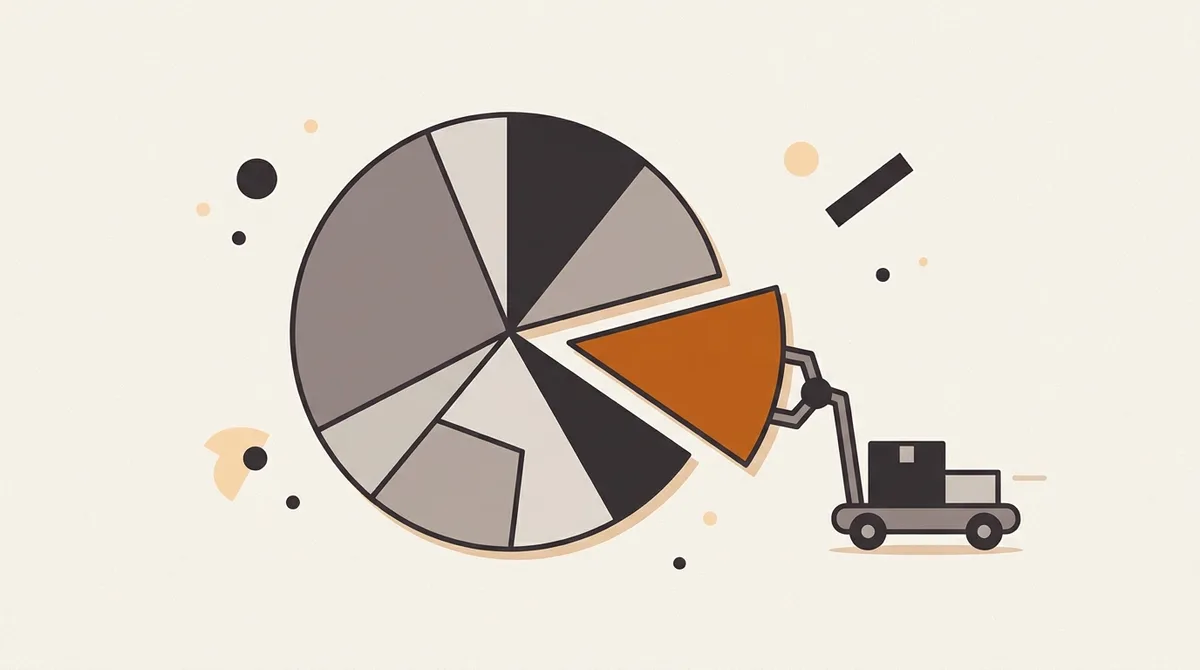
Creator marketplaces are great at getting you found - and quiet about what they keep. Before you route a deal through one, it's worth knowing the real creator marketplace take rates for 2026, because the advertised number and the amount that actually leaves your payout are rarely the same.
The take rates, side by side
- Collabstr: a 15% cut of the creator's payout, plus a 10%/5% fee charged to the brand on top - the brand's cost and your loss are two separate fees on the same deal.
- Passionfroot: free for creators, with exactly one fee per deal. On deals you source yourself, the platform fee is billed to the brand (their own pages quote it between 2% and 5%, payment processing included). Deals sourced through its network cost the creator around 15% - and that fee applies to every future deal with that brand, with no time limit.
- Beacons: 9% on store sales (dropping to 0% on the top paid tiers).
- Linktree: a 12%/9%/9%/0% digital-product seller fee by plan.
- Stan Store: 0% platform fee on top of a $29–$99/month subscription (you still pay Stripe).
The pattern: "free to join" usually means the fee lives in the payout, and a 15% marketplace cut is the high end that a lot of brand-deal volume actually runs through. On a $1,000 deal, 15% is $150 - every time.
Two fees, one deal
Watch for platforms that take a cut of you AND charge the brand a fee. It inflates the brand's total cost (making you look more expensive) while shrinking what you receive. A single, published take rate with no separate brand fee is both cheaper and easier for a brand to say yes to.
Where a flat fee changes the math
Cabana charges a flat 3.5–6% on paid plans - among the lowest creator-paid rates of anyone processing brand-deal payments, with no separate cut of the brand. On that same $1,000 deal, the Growth rate is $60 instead of a marketplace's $150, and the gap only widens as your deal volume grows. The full comparison, plus how the numbers were verified, lives on the creator platform fees page, and there's a direct Collabstr alternative breakdown if that's the marketplace you're weighing.
Discovery vs. ownership
Marketplaces still earn their fee for discovery. TikTok One and similar programs put you in front of brands searching briefs - genuinely useful, especially early. Keep marketplace-sourced work on the platform when its terms apply; use your direct workflow for self-sourced opportunities and relationships you are permitted to manage independently. For eligibility thresholds, see how to get sponsored on TikTok.
Fees are the most invisible line in a creator's P&L. Knowing the real take rate before you pick where to run a deal is one of the highest-leverage decisions you'll make all year - compare the plans and pick the one that keeps the most in your pocket.
FAQ